
Smash burger
Bun for smash burger
A smash is not a normal burger flattened. It is something else: a thin patty pressed against the griddle until it browns all over, and a bun that has to do a different job. Lower, wider and with a crown that stands up to the pressure. Here are the numbers.
What does a smash ask of its bun?
In a smash the patty is thin — it is pressed against the griddle so the whole surface touches the metal and caramelizes. That changes two things compared with a classic burger.
The first: the patty spreads. A ball that in a normal burger would give 9 cm, smashed goes out to 11 or 12 cm. If the bun does not keep up, the patty sticks out on all sides.
The second: the whole thing is lower. With a thin patty and little height, a tall bun unbalances the bite — all bun and little meat. The smash calls for a bun that is low, with a tight crumb, one that can be pressed without falling apart.
And there is a third detail that almost nobody mentions: the smash releases more fat than a thick burger, because there is more surface in contact with the griddle. The bun has to absorb it without going soft. That is exactly what an enriched, tight crumb is for.
The Briox buns for smash
These are the ones that fit by size and by height. The POTATO SMASH is made specifically for this — potato crumb, which holds moisture and stands up well to the fat.
| Bun | Format | What for | Order |
|---|---|---|---|
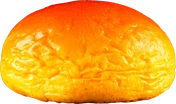 POTATO ROLL AIR POTATO ROLL AIR | 80 g / 10 cm | Tall burger | Order |
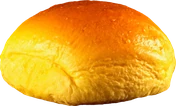 POTATO SMASH POTATO SMASH | 80 g / 10 cm | Smash burger | Order |
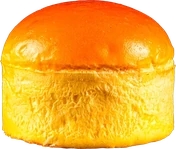 HIGH POTATO AIR HIGH POTATO AIR | 80 g / 10 cm | Tall burger | Order |
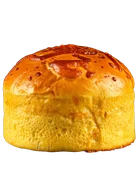 HIGH CHEESE HIGH CHEESE | 80 g / 10 cm | Classic burger | Order |
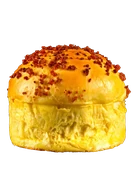 HIGH BACON HIGH BACON | 80 g / 10 cm | Classic burger | Order |
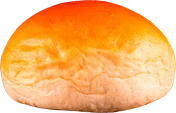 SUPREME 80 SUPREME 80 | 80 g / 10 cm | Classic burger | Order |
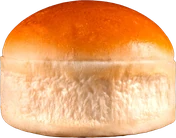 HIGH SUPREME AIR HIGH SUPREME AIR | 80 g / 10 cm | Tall burger | Order |
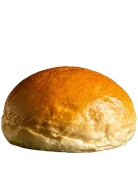 VEGAN VEGAN | 80 g / 10 cm | Vegan menu | Order |
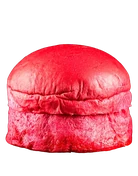 HIGH PINK HIGH PINK | 80 g / 10 cm | Classic burger | Order |
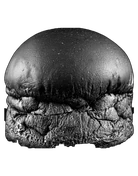 HIGH BLACK HIGH BLACK | 80 g / 10 cm | Classic burger | Order |
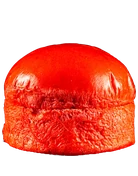 HIGH RED HIGH RED | 80 g / 10 cm | Classic burger | Order |
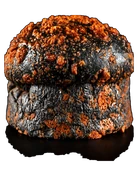 HIGH BLACK LOTUS HIGH BLACK LOTUS | 80 g / 10 cm | Classic burger | Order |
The crumb made of potato deserves a line of its own: it holds moisture, so the bun stays soft for longer and works well with a patty that releases fat. That is why the potato bun is the reference bun for smash in half the world.
How do you toast a bun for smash?
Toasting is not a decoration: it is what makes the bun hold. Browning the cut side seals the crumb and creates a barrier against the juices. Without that step, the best bun in the world gets soggy.
- Cut side down, on the griddle where you have just cooked the patty — with that fat, not with fresh oil.
- Between 20 and 40 seconds. You are looking for golden, not dark brown: if it turns bitter, it has gone too far.
- Assemble while hot. A toasted bun that cools down before it is assembled loses half the point.
- The top, too. It is the one that takes the most sauce and the first to give way.
On a busy griddle, toasting the bun takes the same time as flipping the meat. It is one of the cheapest things you can do to make a dish come out better.
Quick questions
What bun diameter for a smash?
Between 10 and 12 cm for a smash on the menu. The 10 cm are the standard; 12 cm, for doubles or when the ball is 150 g or more.
Does a regular brioche bun work for smash?
It works if it is low and the crumb holds up. The problem with using a tall bun is proportion: you eat more bun than meat, which is exactly the opposite of what a smash is after.
With seeds or without seeds?
It is a matter of taste. Sesame adds an extra toasted note that goes really well with the smash; the plain one leaves all the spotlight to the meat. Both are in the full guide.
And for sliders?
For small bites there is a format of its own: SLIDERS, designed for finger food and tasting menus.
Try the smash bun
Tell us how much your meat ball weighs and we will tell you which diameter fits you. If you like, we will send you a sample before you decide.